
Introduction
If you’ve ever looked in the mirror and wished for a straighter smile, you might have worried, “Is it too late for clear orthodontic aligners?”
The answer is a resounding NO—whether you are 44, 64, or well beyond! Modern orthodontics has completely opened the doors for adults who believed that straight teeth were an opportunity lost after their teenage years.
This blog quickly explores why adults should consider orthodontic treatments, their options, and what they can expect from their treatment.
Adults vs. Teens: Key Differences in Treatment
Teeth move by responding to gentle, consistent pressure—whether the patient is 14, 44, or 64 years old. However, a few important factors affect treatment for adults:
- Bone Density: Adult bones are denser than growing adolescent bones. This means that while successful tooth movement is absolutely possible, treatment may take a bit longer.
- Existing Dental Work: Many adults have existing restorations like crowns, bridges, or implants. Your orthodontic plan will be custom-designed to safely and effectively accommodate these features.
- Periodontal Health: Adults must have stable gum health before starting any tooth movement. Active gum disease must be treated first to ensure safe tooth movement and prevent complications.
Adult Orthodontic Options
Modern orthodontic treatment offers a spectrum of choices tailored for adult needs. We’ve broken them down here with a list of pros and cons to help you take your best bet.
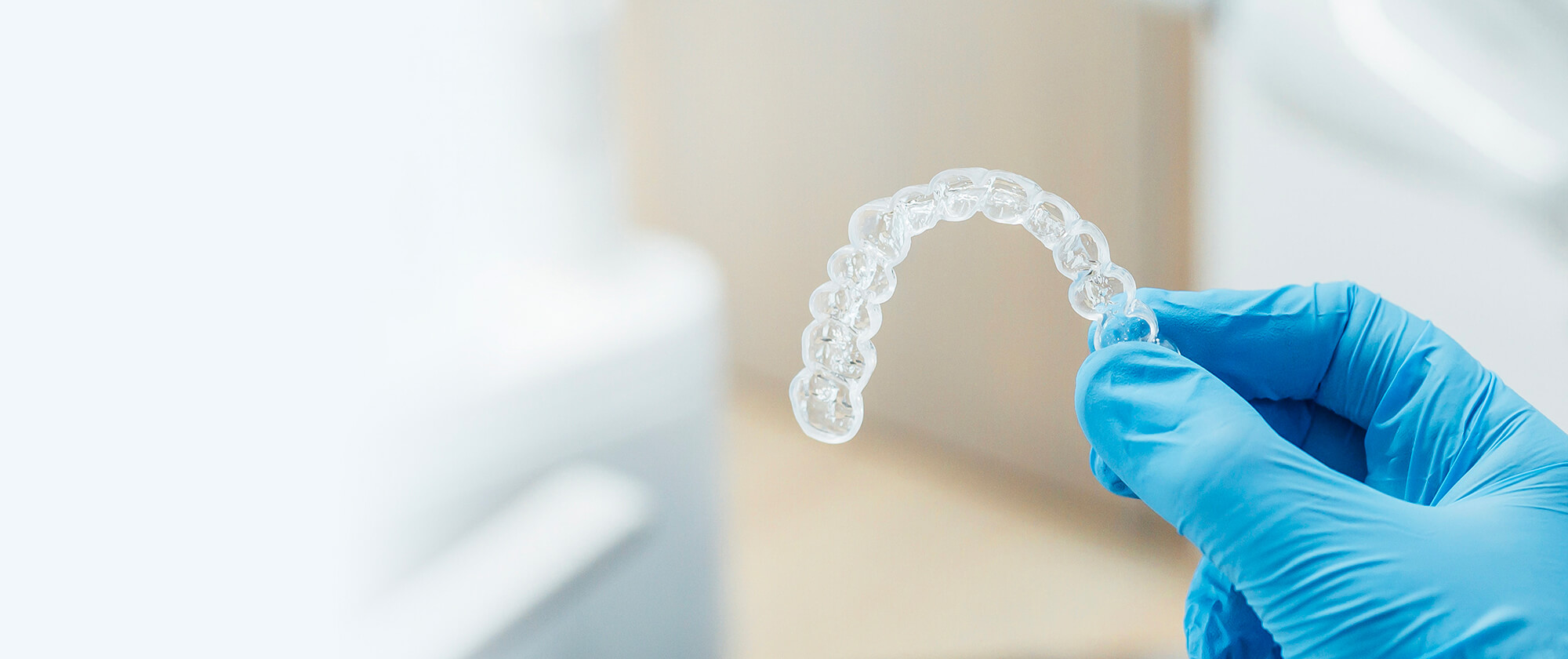
- Clear Aligners (like Invisalign®)
What they are: These are clear, custom-made plastic trays that you wear over your teeth. They are easily removable—a major bonus.
Pros: They are nearly invisible, making them extremely discreet for professionals. They are comfortable, and you can take them out to eat, meaning you have no food restrictions at all.
Cons: They only work if you wear them for 20-22 hours a day, so success is up to you! Also, they aren’t the best choice for very severe or complex bite problems.
- Clear Ceramic Braces
What they are: These are fixed braces, just like traditional ones, but the brackets are made from clear or tooth-colored ceramic material.
Pros: They are much less noticeable than metal braces. They are also incredibly effective and can fix a wide range of issues, from mild to quite complex.
Cons: The ceramic brackets are a little more delicate than metal ones. Also, the small elastic ties used can sometimes stain slightly between appointments.
- Lingual Braces
What they are: This is the ultimate invisible option! The brackets and wires are attached to the back (tongue side) of your teeth, completely hiding them from view.
Pros: They are 100% invisible when you smile. They are also effective for many different alignment issues.
Cons: Because they are behind your teeth, they can sometimes affect your speech for the first few weeks. They can be a little tricky to clean, and they are generally the most expensive treatment option.
- Traditional Metal Braces
What they are: These are the time-tested fixed appliances made from strong stainless steel brackets and wires.
Pros: They are extremely effective and reliable for every case, including the most complicated misalignments. They are also typically the most cost-efficient choice.
Cons: They are the most visible type of appliance, so they might not be the best choice if subtlety is your top priority.
What to Expect From Your Treatment?
Starting your treatment is a straightforward process:
- Consultation: This begins with a comprehensive clinical exam, digital scans, and a detailed discussion of your goals and expectations.
- Treatment Planning: Your orthodontist presents the optimal treatment choices, including clear aligners or braces, along with transparent timelines and costs.
- Active Treatment: You begin wearing your aligners or having your braces adjusted as planned.
- Retention: After completion, retainers are essential. This final, lifelong commitment keeps your new alignment permanently intact.
- Post Treatment Care: Clean removable retainers daily using a toothbrush or specialized cleaning tablets to prevent odor and bacteria buildup. Also, keep up with regular check-ups and cleanings with your general dentist. They will monitor your oral health and hygiene.
ps: If your retainer breaks, warps, or is lost, contact your orthodontist immediately. Any delay risks unwanted tooth movement, potentially requiring re-treatment.
Conclusion
Your Second “Grinnings” awaits.
Whether you are 44 or 64, adult orthodontics is well within reach. They offer both cosmetic and long-term health benefits, so please do consider them if you’re experiencing discomfort or appearance issues.
Today, treatments are more discreet, comfortable, and efficient than ever before. Investing in your smile is investing in your overall well-being—confidence, function, and future health all rolled into one.
You deserve a smile that’s both functional and beautiful. If you have wondered whether it’s too late, the answer is no.
So what are you waiting for? Contact Second Grinnings for your no-obligation consultation—your best smile is yet to come.
